Ombudspersons
For Medical Students (Years 1-2)

Dr. Anna Grodzinsky, M.D.
Email
Dr. Grodzinsky is a UMKC School of Medicine graduate. She completed her postgraduate training in internal medicine and cardiovascular disease at UMKC as well. Dr. Grodzinsky also completed a cardiovascular outcomes fellowship at Saint Luke’s Hospital and has been very active in research. She is now a practicing cardiologist at Saint Luke’s Hospital of Kansas City. Of interest, she is fluent in Russian and Spanish. Dr. Grodzinsky serves as the ombudsperson for years 1-2 medical students.
For Medical Students (Years 3-6)

Dr. Stacey Algren, M.D.
Email
Dr. Algren is a UMKC School of Medicine graduate. She completed her postgraduate training in obstetrics and gynecology at UMKC followed by a pelvic surgery fellowship at Emory University. Dr. Algren serves as the associate program director and vice chair of the UMKC Obstetrics and Gynecology Residency program at Saint Luke’s Hospital. She is also the associate dean for the Office of the Learning Environment — Education and Professionalism at the UMKC School of Medicine. Dr. Algren serves as the ombudsperson for years 3-6 medical students.
For St. Joseph Campus Students
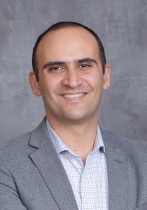
Dr. Mohannad Abu Omar, M.D.
Email
Dr. Abu Omar is a graduate of the University of Jordan. He completed his postgraduate training in internal medicine, pulmonary disease and critical care medicine at the UMKC School of Medicine. He is now practicing at Mosaic Life Care in St. Joseph. Dr. Abu Omar’s primary clinical interests are lung cancer prevention and diagnosis. Dr. Abu Omar serves as the ombudsperson for the M.D. only students based at the UMKC School of Medicine St Joseph, Mo. campus.
For Graduate Students

Dr. Angellar Manguvo, Ph.D.
Email
Dr. Angellar Manguvo is an associate teaching professor in the Department of Health Professions in Medicine, where she teaches courses in the Health Professions in Education program. She also serves as an assistant dean for the Office of the Learning Environment — Education and Professionalism, where she works with students and Student Affairs to foster a positive learning environment. Dr. Manguvo also serves as the educational program manager in the Office of Assessment and Quality Improvement. In this role, she helps manage and oversee the School of Medicine’s processes of curriculum planning, implementation and assessment; program evaluation and quality improvement; as well as accreditation compliance. Dr. Manguvo serves as the ombudsperson for School of Medicine graduate students.
For Residents
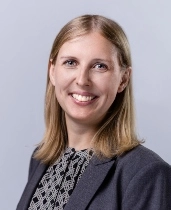
Dr. Lara Kujtan, M.D.
Email
Dr. Kujtan is an associate professor in the Department of Medicine, section of Hematology and Oncology. She specializes in thoracic malignancies and precision oncology. She completed her fellowship in hematology and oncology at UMKC. She is also the associate program director of the Hematology and Oncology Fellowship program at UMKC. Dr. Kutjan serves as an ombudsperson for residents.

Dr. Srikala Subramanian, M.D.
Email
Dr. Subramanian is an associate professor in the Department of Emergency Medicine. She graduated from the six-year B.A./M.D. program at the UMKC SoM and returned to be faculty at University Health Truman Medical Center after completing her residency at the University of Louisville. Dr. Subramanian's passion lies in physician wellness, and she was Director of Physician Wellness for University Health until July 1, 2025. In addition to being an ombudsman for the past seven years, she is chair of the Women in Medicine and Science organization at UMKC. Dr. Subramanian serves as an ombudsperson for residents.
About
The School of Medicine created the ombudsperson (ombud) within the Office of the Learning Environment in 2020. An ombudsperson is defined as a person who is charged with representing the interests of a group by investigating and addressing complaints of perceived maladministration or violation of rights.
The ombudsperson offers confidential and anonymous support and advocacy, and may serve as an intermediary, mediator, facilitator and informal information gatherer or simply as a listener. The ombudsperson has no authority to take action but has access to anyone in the school for the purpose of informal resolution of concerns and disputes.
Many times, learners don’t know whom to approach for help. The objective of the ombudsperson is to address concerns about how and when to approach existing resources (ETIX, Office of the Learning Environment, Office of Student Affairs, course directors, docents, rotation faculty) if, or when, the learner feels mistreated or has a conflict with another member of the School of Medicine community. The role of the ombudsman is to facilitate resolution of allegations by UMKC medical and allied health students, of perceived unfair, inappropriate, discriminating, unprofessional, or harassing treatment or behavior by faculty, staff, administrators, patients or fellow learners.
Responsibilities
The responsibilities of the ombudsperson include:
- Provide a welcoming, neutral, safe and confidential environment to talk.
- Listen to concerns and complaints and discuss appropriate options.
- Provide information on School of Medicine policies and practices.
- Help to evaluate options for addressing the concern.
- Guide learners towards resolving those options.
- Provide information about, and refer learners to, appropriate School of Medicine resources.
- Educate learners on tactics to deal with microaggressions as appropriate.
- Inquire about wellness and encourage contact with wellness resources.
- While maintaining confidentiality, provide upward feedback to administration (or others in authority) when a systemic issue or trend occurs.
- The only exceptions to confidentiality are as follows: in the case of imminent risk of serious student harm as determined by the ombudsperson; where mandated by law; and in situations of sexual misconduct/gender-based harassment matters where federal law (Title IX) requires information to be passed on to the main campus’ Title IX office.
The ombudsperson does not:
- Take sides in disputes.
- Adjudicate or participate in formal university grievances.
- Determine guilt of any party in a dispute.
- Provide legal advice.
- Assign sanctions on individuals.
- Replace any official university office, department or process.
- Keep records of learner complaints and/or conversation.
After being contacted, the ombudsperson will:
- Offer/arrange a mutually acceptable meeting place and time including a virtual appointment.
- Assure learners that discussions will remain confidential.
- Remind learners that no records will be kept.
- Be receptive and kind.